

In our relentless modern pace, finding genuine mental calm often feels like chasing a mirage. We’re bombarded with quick fixes and temporary distractions, yet the underlying current of stress, anxiety, and mental fatigue persists for many. It’s a challenging reality, and frankly, a lot of what’s out there just scratches the surface. What we often overlook is the profound, time-tested wisdom embedded in classical Hatha Yoga. It offers more than just physical exercise; it provides a systematic framework for genuine Yoga for mental health, cultivating an inner stillness that can anchor you amidst life’s storms.
Beyond the Mat: How Classical Hatha Yoga Shapes Our Inner Landscape
When people hear “yoga,” their minds often jump straight to acrobatic poses or intense studio sessions. But that’s a narrow view, especially when we’re talking about classical Hatha. It isn’t just about the physical contortions; it’s a deeply integrated system that touches every facet of our being. We’re talking about a practice that consciously works with the body, breath, and mind to unravel the knots of mental discomfort.
Is it just about stretching?
Absolutely not. While physical postures, or asanas, are a component, they serve a larger purpose in classical Hatha. They’re designed to prepare the body, making it stable and comfortable enough to sit for longer periods in meditation. Think of it like this: if your body is agitated, stiff, or uncomfortable, your mind will struggle to settle. The asanas release physical tension, improve circulation, and balance the nervous system, creating a foundation for mental tranquility. It’s a pragmatic approach. You can’t expect a calm mind if your body is screaming at you.
Then there’s pranayama, the science of breath control. This is where classical Hatha really starts to differentiate itself in its impact on mental states. We often breathe unconsciously, shallowly, driven by our stress responses. Pranayama teaches us to breathe deeply, rhythmically, and with awareness. This conscious manipulation of breath directly influences the autonomic nervous system, shifting us from a sympathetic (fight-or-flight) dominance to a parasympathetic (rest-and-digest) state. It’s a direct line to calming the mind; you simply cannot be in a state of panic if you’re breathing deeply and slowly. It’s a physiological truth.
Finally, there’s meditation, which is often the ultimate aim. The asanas and pranayama aren’t ends in themselves, but rather powerful tools to prepare the body and mind for deeper states of meditative absorption. Through consistent practice, we learn to observe our thoughts without getting entangled in them. This creates a space, a buffer, between our internal chatter and our true self, fostering a profound sense of inner calm and clarity.
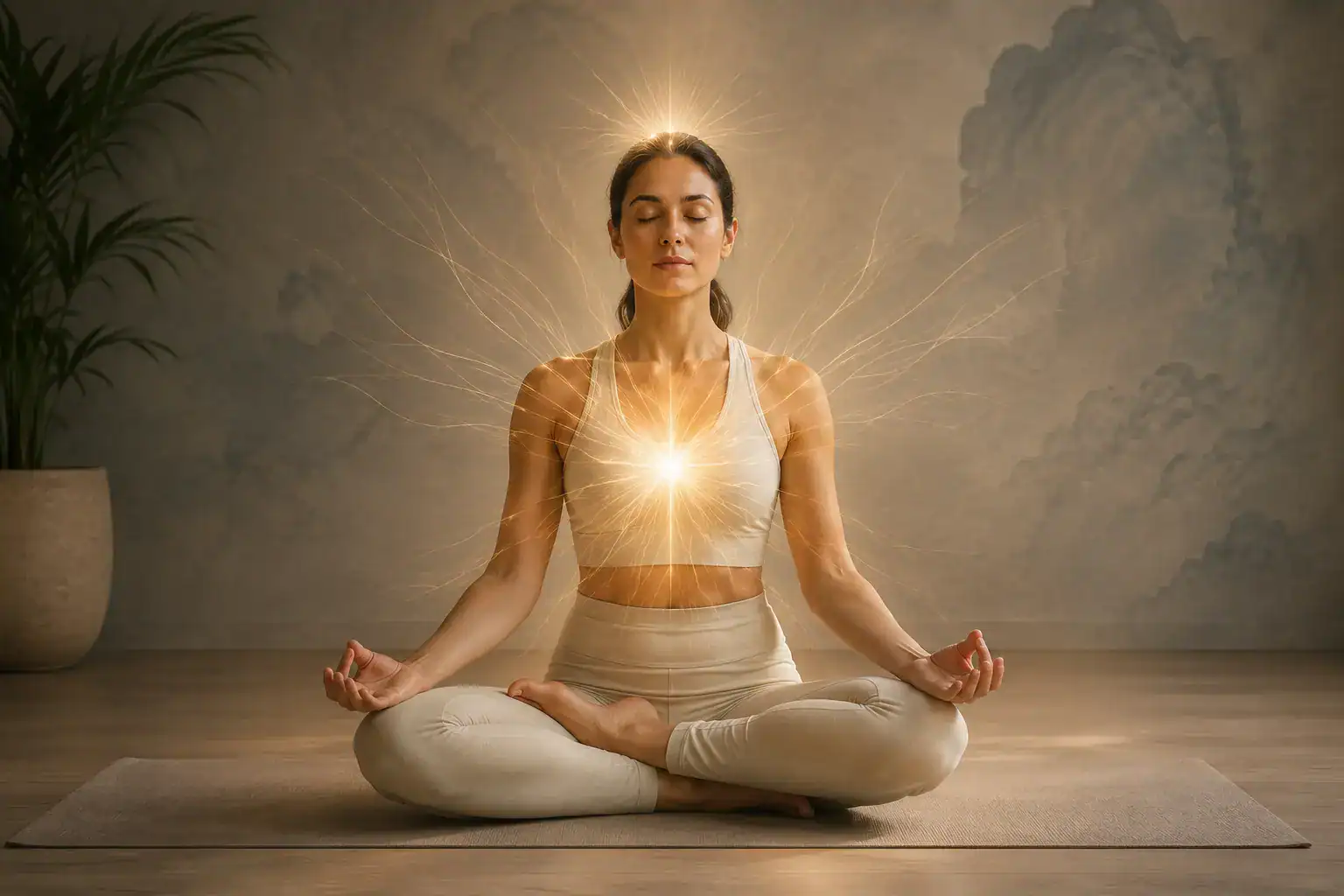
The Science of Serenity: Unpacking Yoga’s Impact on Mental Health
It’s easy to talk about “inner calm,” but what’s actually happening on a biological level when we engage in Yoga for mental health? The scientific community has been increasingly interested in this, and what they’re finding reinforces what practitioners have known for centuries. It isn’t just anecdotal; there are measurable changes occurring within our bodies and brains.
Can yoga truly alter brain chemistry?
Yes, it can. One of the most significant impacts is on neurotransmitters. Regular classical Hatha practice has been shown to increase levels of Gamma-Aminobutyric Acid, or GABA, in the brain. GABA is a primary inhibitory neurotransmitter, meaning it calms nervous activity. Think of it as the brain’s natural tranquilizer. Higher GABA levels are associated with reduced anxiety, improved mood, and a greater sense of calm. This isn’t just a feeling; it’s a chemical shift that helps quiet an overactive mind.
Beyond neurotransmitters, yoga impacts brain structure itself. Studies suggest that consistent practice can lead to increased gray matter volume in areas associated with emotional regulation, attention, and self-awareness, such as the prefrontal cortex and hippocampus. It’s not just making you feel better; it’s potentially rewiring your brain for resilience and emotional balance. This neuroplasticity, the brain’s ability to reorganize itself by forming new neural connections, means your brain literally adapts to a calmer, more focused state over time.
How does breathwork calm a racing mind?
This is where pranayama shines. A racing mind is often accompanied by shallow, rapid breathing, a classic sign of sympathetic nervous system activation. When you consciously slow and deepen your breath through techniques like Nadi Shodhana (alternate nostril breathing) or Ujjayi (victorious breath), you activate the vagus nerve. The vagus nerve is a critical component of the parasympathetic nervous system, responsible for the “rest and digest” response. Activating it sends a powerful signal to your brain that you are safe, reducing heart rate, lowering blood pressure, and calming the entire nervous system. It’s an immediate, physiological intervention for anxiety and stress.
Moreover, the focus required for precise breath control pulls your attention away from distracting or anxious thoughts. It brings you squarely into the present moment, breaking the cycle of rumination that often fuels mental distress. This ability to regulate both mind and body through breath is also a factor in why yoga reduces the risk of heart diseases; a calmer nervous system leads to less physiological stress on the cardiovascular system.
Practical Pathways to Peace: Integrating Classical Hatha into Your Life
Understanding the “why” is one thing; implementing the “how” is another. Integrating classical Hatha into a busy life might seem daunting, but it’s entirely achievable and, frankly, non-negotiable if you’re serious about cultivating lasting inner calm.
What’s the difference between classical Hatha and other styles?
This is an important distinction. Modern yoga often emphasizes vigorous flow, complex poses, or purely physical fitness. Classical Hatha, as taught at Yogpriya, prioritizes a slower, more deliberate pace. The focus is on precision in posture, sustained holds, and deep internal awareness, especially of the breath. It’s less about breaking a sweat and more about breaking through mental barriers. We’re talking about practices like Angamardana, which are not just exercise but a complete fitness system designed to invigorate the body and mind, making it ready for deeper yogic states. It’s a practice rooted in tradition, designed for profound internal transformation, not just external display.
Is daily practice essential for noticeable change?
While any practice is better than none, consistency is truly the key to unlocking the deeper benefits of classical Hatha for mental health. Think of it like building a muscle; you wouldn’t expect significant results from sporadic workouts. The brain, like a muscle, responds to regular training. Daily practice, even if it’s just 20-30 minutes, builds momentum. It reinforces those new neural pathways, strengthens your ability to regulate emotions, and deepens your connection to your inner calm. It’s not about perfection; it’s about showing up, being present, and allowing the practice to subtly, yet profoundly, reshape your mental landscape over time.
Starting with foundational asanas, moving into focused pranayama, and concluding with a period of quiet meditation creates a powerful daily ritual. You don’t need hours; even short, dedicated sessions can make a remarkable difference. For those seeking structured guidance, we offer resources and guided meditations that can help establish this routine. The real work isn’t always easy; it requires discipline and an honest look at your own patterns. But the rewards, a profound and stable inner calm, are immeasurable.
“The mind, like a restless bird, finds its nest in silence. Classical Hatha Yoga provides the pathway to that sanctuary.”
If you’re ready to move beyond temporary relief and cultivate a sustainable state of inner calm, explore our tailored programs. We’re here to guide you on this transformative journey. Discover how classical Hatha can support your well-being.
Frequently asked questions
Q? What specific mental health conditions can classical Hatha Yoga help with?
A. Classical Hatha Yoga is not a cure, but it can be a powerful adjunctive practice for managing symptoms associated with anxiety, chronic stress, mild to moderate depression, and even post-traumatic stress disorder. Its emphasis on breath control, mindful movement, and meditation helps regulate the nervous system and foster emotional resilience.
Q? How quickly can I expect to see improvements in my mental well-being from practicing yoga?
A. While some individuals report immediate feelings of calm and reduced stress after a single session, significant and lasting improvements in mental well-being typically require consistent practice over several weeks or months. It’s a gradual process of retraining the body and mind, so patience and regularity are key.
Q? Do I need to be flexible or physically strong to start classical Hatha Yoga for mental health?
A. Not at all. Flexibility and strength are benefits of the practice, not prerequisites. Classical Hatha is accessible to all body types and fitness levels. The focus is on internal awareness, correct alignment, and breath integration, not on achieving advanced poses. Modifications are always available to suit individual needs.
Q? Can classical Hatha Yoga replace therapy or medication for mental health conditions?
A. No, classical Hatha Yoga should not replace professional medical advice, therapy, or prescribed medication for mental health conditions. It is a complementary practice that can significantly enhance overall well-being and support conventional treatments. Always consult with a healthcare professional regarding your mental health concerns.
Q? What are the key components of a classical Hatha Yoga practice that specifically benefit mental health?
A. The primary components that contribute to mental well-being are asanas (physical postures) for bodily stability and tension release, pranayama (breath control techniques) for nervous system regulation, and dhyana (meditation) for cultivating mindfulness and inner stillness. These elements work synergistically to create a profound impact on mental calm.


Leave a Reply